
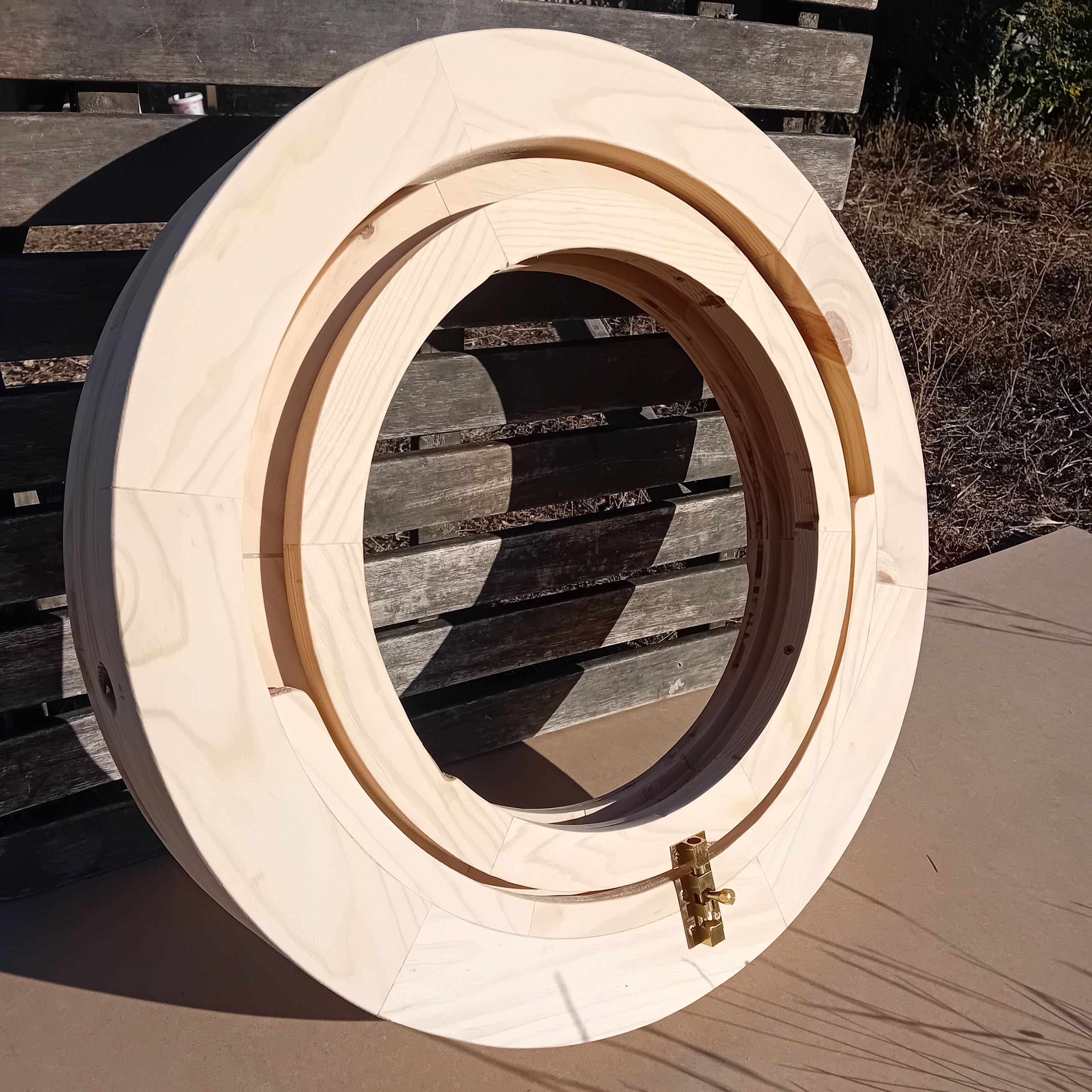

In the search for eco-friendly building materials, wooden windows stand out as a sustainable choice compared to PVC (polyvinyl chloride) or aluminum. While each material has its benefits, wood is unique for its natural, renewable qualities and its lower environmental footprint. Let’s explore the ecological benefits of wooden windows and why they’re the greenest choice for environmentally-conscious homeowners and builders.
1. Renewable Resource
Wood is a naturally renewable material, unlike PVC and aluminum, which are derived from non-renewable resources. Responsible forestry practices allow trees to be replanted and forests to regenerate, creating a cycle of sustainability. Modern forestry standards ensure that wood harvesting respects ecological balance, with trees replanted and maintained to preserve natural ecosystems.
Eco-benefit: Unlike the finite raw materials for PVC (derived from petroleum) or aluminum (requiring intensive mining), wood is a renewable resource that can be sustainably harvested and replaced.
2. Low Carbon Footprint
The carbon footprint of wooden windows is significantly lower than that of PVC or aluminum. The production of aluminum requires large amounts of electricity and heat, generating high levels of CO₂ emissions. PVC production is also carbon-intensive, involving energy-intensive processes and the release of toxic chemicals. In contrast, wood production is relatively low-impact. Trees absorb CO₂ as they grow, storing it in their wood, and even after harvesting, they retain the carbon, which helps reduce greenhouse gases.
Eco-benefit: Wooden windows actively contribute to carbon sequestration, meaning they store carbon instead of releasing it, thus lowering their overall carbon footprint.

3. Energy-Efficient Manufacturing
The manufacturing process for wood is far less energy-intensive than that of PVC or aluminum. Processing wood requires fewer chemicals and lower temperatures, meaning less energy is needed. Aluminum, for instance, goes through an energy-heavy smelting process, and PVC relies on petrochemicals and generates toxic by-products.
Eco-benefit: By choosing wooden windows, you’re supporting a manufacturing process with reduced energy consumption, fewer emissions, and lower environmental impact overall.
4. Natural Insulation Properties
Wood is a natural insulator, meaning wooden windows provide excellent thermal efficiency without additional chemical treatments. This is a crucial factor in reducing household energy consumption, as well-insulated windows lower the need for heating in winter and cooling in summer. PVC and aluminum frames, on the other hand, require extra insulation to prevent thermal transfer, adding complexity and materials to their production.
Eco-benefit: Wooden windows’ superior insulation properties reduce household energy consumption and contribute to lower heating and cooling costs, indirectly reducing emissions.
5. Biodegradable and Recyclable
When it comes to the end of a window’s life cycle, wood is by far the most eco-friendly material. Wood is biodegradable, so if it’s disposed of, it will naturally break down without leaching harmful chemicals into the environment. Even if it isn’t reused, wood decomposes in a landfill without emitting toxic pollutants. Aluminum can be recycled, but recycling processes are energy-intensive. PVC is less commonly recycled and often ends up in landfills, where it breaks down into harmful microplastics and can release toxins.
Eco-benefit: Wood windows are both recyclable and biodegradable, reducing their long-term environmental impact and supporting a circular economy.
6. Healthier Indoor Air Quality
Wooden windows help promote healthier indoor air quality because they don’t emit VOCs (volatile organic compounds) in the same way that PVC can. PVC is made with additives, stabilizers, and plasticizers, some of which can release toxins into the air, particularly when exposed to heat and sunlight. Wood, in contrast, is a natural material with minimal additives, making it a healthier choice for indoor air quality, especially in tightly-sealed, energy-efficient homes.
Eco-benefit: Wooden windows improve indoor air quality by reducing the presence of toxins and VOCs, creating a healthier living environment.

7. Long-Lasting Durability
Properly treated and maintained, wooden windows are durable and long-lasting. With regular care, they can withstand weather conditions just as effectively as aluminum or PVC. Some hardwoods, like Sapele or Oak, are naturally resistant to decay and rot. Unlike PVC, which can become brittle and discolored with age, or aluminum, which may corrode in salt-laden environments, wood retains its beauty and strength for decades.
Eco-benefit: Durable materials reduce the need for replacement and the waste that goes with it, making wooden windows a sustainable choice over the long term.
8. Aesthetic Value and Timeless Appeal
In addition to ecological benefits, wooden windows add timeless beauty to a building. They offer a natural warmth and texture that synthetic materials cannot replicate, and wood is versatile, blending seamlessly with architectural styles from classic to contemporary. The aesthetic appeal of wood can increase a building’s value, encouraging longer ownership and reducing the waste associated with frequent renovations.
Eco-benefit: The lasting visual appeal of wood encourages sustainability through prolonged use, reducing environmental impact by discouraging wasteful replacement cycles.
Conclusion: A Greener Choice for Sustainable Living
Wooden windows are the eco-friendliest option for builders and homeowners seeking to minimize their environmental footprint. Their natural renewability, low energy production, superior insulation, and biodegradability make them a top choice over PVC and aluminum. Beyond their ecological benefits, wood offers beauty and durability that can enhance any home for generations.
In a world increasingly focused on reducing carbon emissions and environmental impact, choosing wooden windows represents a step toward sustainable living. By opting for this renewable material, you’re supporting a greener, healthier planet—one window at a time.

Leave a Reply